
Tawara Pear
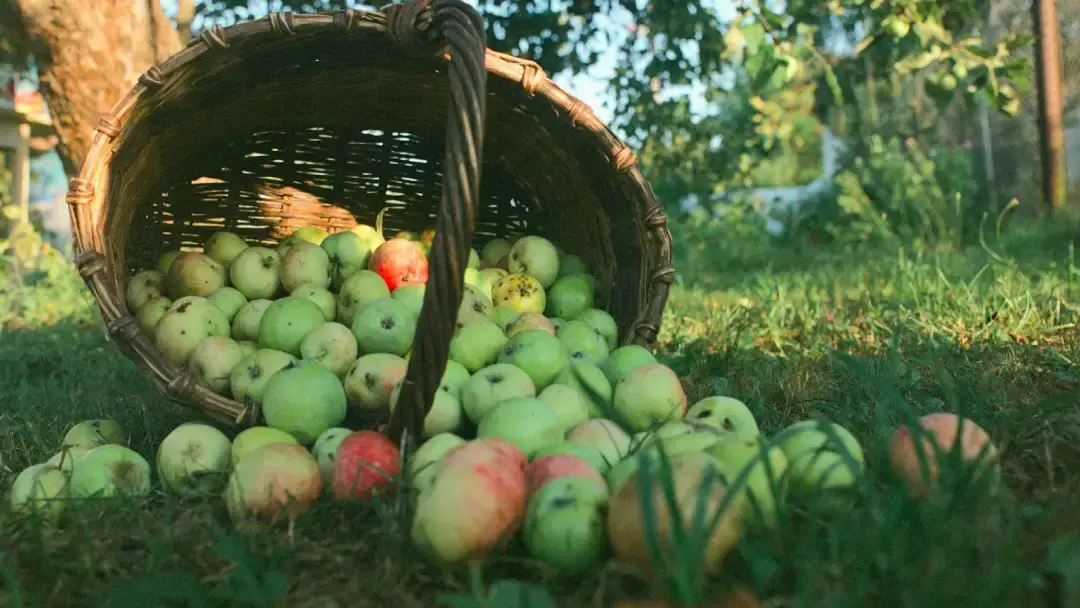
The Honeycrisp apple tree (Malus domestica 'Honeycrisp') is one of the most celebrated apple cultivars in North America, prized for its explosively crisp texture and sweet-tart flavor. Taxonomically, it belongs to the Kingdom Plantae, Phylum Magnoliophyta (flowering plants), Class Magnoliopsida, Order Rosales, Family Rosaceae, Genus Malus, and Species M. domestica. Developed by the University of Minnesota, Honeycrisp thrives in USDA Hardiness Zones 3 through 7, making it exceptionally well-suited to the colder climates of Colorado and much of the Rocky Mountain region. As the old proverb reminds us, "The best time to plant a tree was twenty years ago. The second best time is today."
For successful establishment, Honeycrisp apple trees should be planted in full sun with well-drained, fertile soil and adequate air circulation. Dig a planting hole twice as wide as the root ball but no deeper than the root flare, ensuring the graft union remains several inches above the soil line. These trees require cross-pollination from another compatible apple variety blooming at the same time, such as Gala, Fuji, or McIntosh. Careful site selection and proper spacing help promote healthy growth while reducing disease pressure. With a little planning and patience, these productive trees reward growers with baskets of beautiful, blushing fruit.
Honeycrisp trees benefit from consistent watering during their first few growing seasons and annual fertilization with a balanced fruit-tree fertilizer. Applying organic mulch around the base helps conserve moisture, suppress weeds, and moderate soil temperatures, though mulch should be kept several inches away from the trunk. Regular pruning encourages strong branch structure, improved sunlight penetration, and better fruit production. From spring's fragrant blossoms to autumn's abundant harvest, Honeycrisp apple trees deliver a delightful display of crunchy, colorful, crowd-pleasing crops, making them a favorite among orchardists, landscapers, and homeowners alike.